Laparoscopy

Laparoscopic Surgery Procedure

Advanced Minimally Invasive Gynecological Surgery

Dr. Neha Dagade is a specialist in Gynaec-Endoscopy and IVF, bringing international surgical standards to Pune. With a focus on "Fertility-Enhancing" surgery, she utilizes advanced laparoscopic techniques to treat complex gynecological conditions with minimal trauma and maximum precision.

What is Laparoscopy?

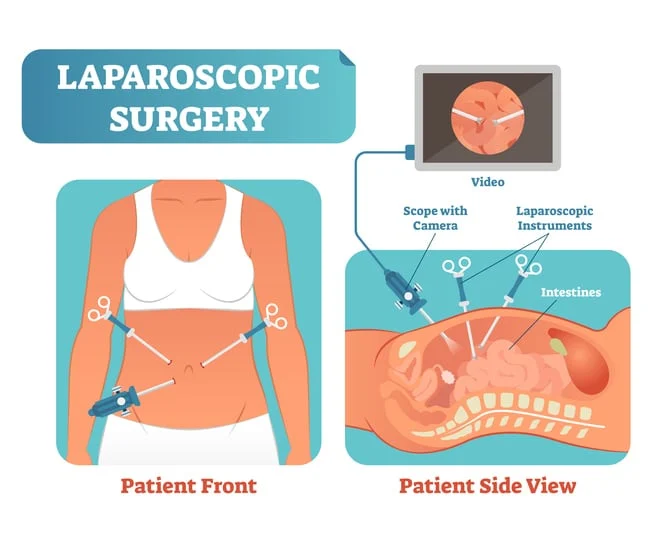
Laparoscopy, also known as "Keyhole Surgery," is a minimally invasive surgical procedure used to examine and operate on the organs inside the abdomen and pelvis. Unlike traditional open surgery that requires a large incision, laparoscopy is performed through small, 5–10mm incisions.

A thin tube with a high-definition camera (laparoscope) is inserted, allowing the surgeon to view the internal organs on a monitor in magnified detail. This leads to higher surgical accuracy, less pain, and a significantly faster recovery for the patient.

Laparoscopic Procedures Performed by Dr. Neha Dagade

Dr. Neha Dagade specializes in a wide range of advanced endoscopic surgeries, with a focus on preserving and enhancing reproductive health:

  • Laparoscopic Myomectomy: Removal of uterine fibroids while preserving the uterus — crucial for patients planning a future pregnancy.
  • Laparoscopic Hysterectomy (TLH/LAVH): Total removal of the uterus for conditions like heavy bleeding or adenomyosis, ensuring minimal blood loss.
  • Endometriosis Surgery: Specialized excision of endometriotic implants and "chocolate cysts" to relieve chronic pelvic pain and improve fertility.
  • Ovarian Cystectomy: Precise removal of ovarian cysts (dermoid, serous, or mucinous) while protecting healthy ovarian tissue.
  • Fertility-Enhancing Surgery: Correcting tubal blockages, managing PCOS (ovarian drilling), and removing pelvic adhesions to improve natural conception rates.
  • Emergency Laparoscopy: Immediate surgical intervention for ectopic pregnancies or ovarian torsions.
  • Laparoscopy in Pregnancy: Safely performing necessary surgeries during pregnancy using specialized protective techniques.

Benefits of Laparoscopy over Open Surgery

Choosing a minimally invasive approach offers several clinical and lifestyle advantages:

Feature Laparoscopic Surgery Traditional Open Surgery
Incision Size Tiny (5–10 mm) Keyholes Large (10–15 cm) Incision
Pain Level Minimal; less need for painkillers Significant post-operative pain
Recovery Time 1–2 weeks (Back to work faster) 6–8 weeks
Hospital Stay Often 24 hours (Day care) 3–5 days
Scarring Virtually invisible Prominent, long scar
Blood Loss Very minimal Higher risk of bleeding

Why Choose Dr. Neha Dagade for Laparoscopy?

  • Expert Training: Holds a Diploma in Minimal Access Surgery and a Diploma in Pelvic Endoscopy (Germany).
  • Fertility-First Approach: Every surgery is planned to protect the patient's reproductive potential.
  • Advanced Technology: Access to state-of-the-art surgical suites.
  • Compassionate Care: Personalized treatment plans tailored to each woman's specific health goals and age group.